
This post may contain affiliate links. If you decide to make a purchase through these links, I earn a small commission at no cost to you. I do not promote anything I do not believe in or stand behind.
Some of my most memorable Christian leadership lessons did not come from a seminary classroom.
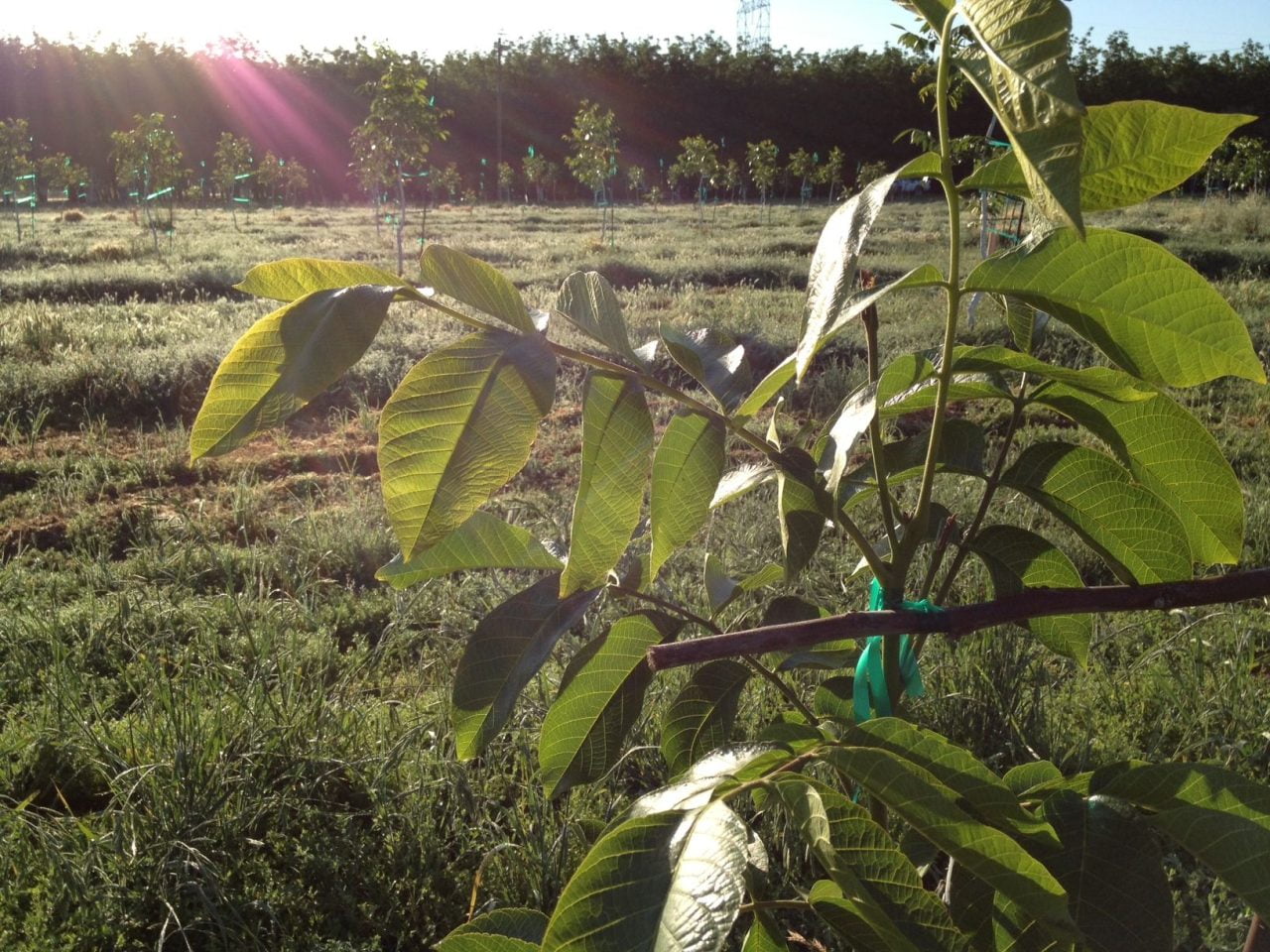
Instead, they came from a walnut orchard.
Years ago, my wife and I became responsible for a piece of land near Charlottenburg, a Romanian-German village not far from Timișoara.
At first, I knew very little about developing an orchard.
However, I knew something about farming from my childhood.
One of my grandfathers had worked the land and raised cattle.
Moreover, I remember learning something significant from his example: before beginning his work in the fields, he prayed.
He thanked God for the land.
He thanked Him for strength.
Then he worked.
Later, when I began developing my own land, that memory returned to me.
At almost the same time, I was also involved in church planting.
Therefore, two very different projects began developing side by side in my life:
planting walnut trees and helping plant a local church.
Soon, I began noticing similarities.
Preparing soil.
Protecting what was young.
Providing water.
Working with others.
Waiting patiently for growth.
Above all, learning that I could create healthy conditions, but I could never manufacture life.
Those experiences taught me seven leadership lessons I still carry into ministry.
Christian Leadership Lessons Begin With Stewardship
One of the first things I had to learn was that owning land did not mean I had absolute control over it.
I could work.
Plan.
Invest.
Prepare.
However, I could not command rain.
I could not control the weather.
Neither could I force a tree to grow.
That realization humbled me.
Similarly, Christian leadership is stewardship.
A church does not ultimately belong to its pastor.
People are not our possessions.
Ministry is not our personal kingdom.
Instead, pastors serve Christ among people who belong to Him.
First Corinthians 4:2 says:
“It is required of stewards that they be found faithful.”
Therefore, the primary question is not:
“How impressive can I make this ministry?”
It is:
“Am I faithfully caring for what God has entrusted to me?”
1. Christian Leadership Lessons Start With Prayer—and Continue With Wisdom
My grandfather’s habit stayed with me.
Before working his land, he prayed.
Consequently, when I began thinking about what to do with my own property, prayer felt natural.
I wanted to surrender my plans to God rather than simply ask Him to bless whatever I had already decided.
Proverbs 16:3 says:
“Commit your work to the LORD, and your plans will be established.”
However, we should not read that verse as a guarantee that every Christian business plan will become financially successful.
Committing our work to God includes allowing Him to reshape our plans.
Sometimes He redirects us.
At other times, wisdom reveals that an idea is unrealistic.
Therefore, prayer should work together with research, counsel, planning, and humility.
Prayer Is Not a Substitute for Research
As I prayed about the property, I also began studying.
Eventually, walnut trees caught my attention.
I researched the soil.
Considered the Romanian climate.
Asked questions.
Thought about the long-term investment.
Moreover, I investigated what developing an orchard would actually require.
That process taught me an important leadership lesson:
spiritual leaders should pray deeply and think carefully.
Prayer is not an excuse for poor preparation.
Likewise, planning should never make us imagine that we no longer need God.
Nehemiah prayed and planned.
Paul trusted God and strategized.
Therefore, mature Christian leadership brings dependence upon God and responsible preparation together.
2. Christian Leadership Requires Vision Without Pretending We Know the Future
Eventually, I could picture what the property might become.
Where I initially saw open land, I began imagining rows of walnut trees.
That picture helped organize decisions.
How many trees?
Where should they go?
What would the costs be?
What preparation was necessary?
Similarly, leadership benefits from a clear sense of direction.
Without direction, activity can become random.
However, Christians must distinguish vision from infallible revelation.
At the time, I believed developing the walnut orchard was a wise direction God was leading me toward.
Still, my confidence did not mean every detail of my plan came directly from Him.
James 4 reminds us to hold future plans humbly.
Therefore, a Christian leader can plan boldly while still saying:
“If the Lord wills.”
Vision Needs a Plan
A picture in your mind is not yet a strategy.
Eventually, the orchard required measurements, costs, equipment, preparation, people, and time.
Likewise, church planting required more than a desire to see a healthy congregation.
We needed to think about:
discipleship,
teaching,
leadership,
community,
mission,
finances,
and pastoral care.
Therefore, vision asks:
“Where are we going?”
Meanwhile, strategy asks:
“What faithful steps can we take from here?”
Both matter.
A leader who only dreams may never build.
Conversely, a leader who only manages tasks can become very efficient at going nowhere.
3. One of My Strongest Christian Leadership Lessons Was to Prepare the Ground
Before planting trees, we had to prepare the land.
Because the property was near a forest, animals could easily enter.
Therefore, we built a fence.
Next, weeds and unwanted growth had to be cleared.
Then the soil needed preparation.
None of that work looked as exciting as planting the trees.
However, without preparation, the visible part of the project would have suffered.
Ministry often works the same way.
People usually notice public preaching, worship services, events, and visible growth.
Yet healthy ministry depends on much quieter work.
Prayer.
Character.
Doctrine.
Relationships.
Trust.
Training.
Accountability.
Those things prepare the soil.
Christian Leaders Cannot Skip Hidden Work
Our culture loves visible results.
Therefore, leaders can become tempted to rush toward whatever looks impressive.
But trees do not care about publicity.
They need good soil.
Likewise, churches need healthy foundations.
A pastor can create activity quickly.
However, character takes time.
Trust takes time.
Discipleship takes time.
Consequently, some of the most important work a leader does will never appear on social media.
Jesus Himself spent years in obscurity before His public ministry.
Then He invested deeply in a relatively small group of disciples.
Therefore, Christian leadership should not confuse visibility with fruitfulness.
4. Christian Leadership Lessons Include Protecting Without Controlling
The fence around the orchard had a legitimate purpose.
It protected young trees from animals that could damage them.
That picture made me think about pastoral care.
Christian leaders also have a protective responsibility.
Acts 20 warns elders about destructive teaching.
Likewise, Scripture calls pastors to teach sound doctrine and watch over God’s flock.
However, the analogy has limits.
People are not trees behind our fence.
Pastoral protection must never become control.
A pastor is not called to manage every decision believers make.
Instead, leaders equip Christians to know Scripture, exercise discernment, mature in Christ, and increasingly walk faithfully before God.
Therefore, healthy protection creates maturity rather than dependence upon the leader.
Boundaries Can Serve Growth
The fence also reminded me that some boundaries are healthy.
In Christian life, freedom does not mean having no boundaries.
For example, Scripture establishes moral boundaries concerning sexuality, money, truth, relationships, and leadership.
Moreover, wise churches establish accountable structures to protect people from abuse and leaders from unchecked power.
Yet boundaries serve a purpose.
They should help create conditions in which people can flourish.
Therefore, rules should never become the center of Christian ministry.
Christ remains the center.
5. Christian Leaders Must Invest Differently in Different People
Before planting approximately two hundred trees, we had to decide where they would go.
Measurements mattered.
Spacing mattered.
Each tree needed attention.
Later, some required different levels of care.
That experience reminded me of people.
Church members are not identical units in a ministry system.
They have different:
backgrounds,
gifts,
personalities,
levels of maturity,
wounds,
responsibilities,

and callings.
Therefore, effective discipleship cannot always be one-size-fits-all.
Paul himself describes the Church as one body with many members.
However, diversity does not mean every Christian has an individually revealed special mission that must somehow be discovered before becoming useful.
Scripture gives all believers a shared calling to follow Christ, love others, pursue holiness, serve the Body, and participate in God’s mission.
Within that shared calling, gifts and opportunities differ.
Christian Leadership Develops People, Not Copies
One temptation in leadership is trying to reproduce ourselves.
We may unconsciously want everyone to:
think like us,
preach like us,
pray like us,
lead like us,
or prioritize the same ministries we prioritize.
However, a healthy leader does not create clones.
Instead, Christian leadership helps people become mature followers of Jesus.
Paul could tell others to imitate him precisely insofar as he imitated Christ.
Therefore, the goal of discipleship is not:
“Become more like your pastor.”
The goal is:
“Become more like Christ.”
6. One of the Hardest Christian Leadership Lessons Is That Growth Cannot Be Forced
After planting, the trees needed water.
During dry periods, that became difficult.
At one point, drought conditions required additional work, including securing water for the orchard.
I could provide water.
Inspect the trees.
Remove obstacles.
However, I could not reach inside a walnut tree and force it to create roots.
Growth itself remained beyond my power.
That may be one of the most important lessons I have learned as a pastor.
I cannot make another person spiritually grow.
First Corinthians 3:6–7 says:
“I planted, Apollos watered, but God gave the growth.”
Therefore, ministry requires both effort and humility.
We Plant and Water; God Gives the Growth
Pastors should teach faithfully.
Leaders should pray.
Moreover, disciplers should encourage, correct, equip, and model mature Christian life.
Still, only God can transform the heart.
That truth protects leaders from two dangers.
First, it protects us from pride when ministry appears successful.
Second, it protects us from carrying a messianic burden when people refuse to grow.
We have responsibility.
However, we are not the Holy Spirit.
Therefore, faithful leadership works hard while trusting God with results.
7. Christian Leadership Lessons Teach Us to Think in Seasons
Walnut trees do not mature overnight.
You plant them long before you enjoy their full fruit.
That reality attracted me to the project in the first place.
I have always been drawn toward things that require long-term thinking.
Ministry often requires the same patience.
Modern leadership culture can condition us to expect quick results.
A sermon should change everyone immediately.
A new church should grow quickly.
A new ministry should become visible.
However, God’s work in people often develops over years.
Therefore, pastors need enough patience to think beyond next Sunday.
Do Not Despise Slow Growth
Zechariah 4:10 speaks about not despising the day of small things in the context of rebuilding the temple under Zerubbabel.
Therefore, we should not turn it into a blanket promise that every small ministry will eventually become large.
Still, the passage reminds us not to evaluate God’s work merely through human measures of impressiveness.
Small does not automatically mean insignificant.
Likewise, large does not automatically mean healthy.
A small congregation can be faithful.
A large congregation can be faithful.
The real question is whether Christ is being honored and people are being formed as His disciples.
Therefore, Christian leaders need a theology of faithfulness, not merely growth.
Some Trees Did Not Survive
Months after planting, I discovered that some young trees had dried out.
That was disappointing.
Eventually, they needed replacing.
Originally, I connected those dead trees directly with John 15:6 and people in ministry who do not grow.
Today, I would make that analogy much more carefully.
Jesus’ teaching about the vine and branches concerns abiding in Him and carries serious spiritual implications.
Therefore, it should not be reduced to:
“If church members don’t grow, leaders replace them like dead trees.”
People are not disposable.
Pastoral ministry requires patience.
Sometimes people struggle for long seasons.
At other times, apparent lack of progress hides work God is doing beneath the surface.
Consequently, agricultural illustrations can help us understand ministry, but Scripture must control the illustration—not the other way around.
Christian Leadership Requires a Team
When planting day arrived, I did not plant all the trees alone.
Friends came.
Together, we accomplished in hours what would have taken me much longer by myself.
Likewise, healthy ministry is not built around one indispensable person.
The New Testament consistently presents leadership in community.
Different believers bring different gifts.
Therefore, pastors should not measure faithfulness by how much they can personally carry.
Sometimes refusing to delegate looks like dedication.
However, underneath it may hide fear, pride, or a lack of trust.
Strong leadership develops other people.
A Leader Is Not the Owner
This lesson returns to where we began.
I may have legal ownership of agricultural land.
Yet everything I possess ultimately comes under God’s lordship.
Even more clearly, the Church belongs to Christ.
Therefore, pastors are shepherds under the Chief Shepherd.
That changes the way we lead.
People are not resources for building our vision.
Instead, leadership is service performed for their good and Christ’s glory.
Moreover, ministry success cannot simply mean:
“My plans worked.”
Faithful leadership asks whether we obeyed Christ and cared well for the people entrusted to us.
What My Walnut Orchard Taught Me About Failure
Farming also teaches you quickly that plans are imperfect.
Costs change.
Weather changes.
Trees fail.
Mistakes become visible.
I made errors in calculating aspects of the project.
However, mistakes can become teachers when pride does not force us to hide them.
Similarly, Christian leaders will make mistakes.
Therefore, one mark of mature leadership is not perfection but teachability.
Can I admit:
“I was wrong”?
Can I change direction?
Will I listen to someone who knows more than I do?
A leader incapable of correction eventually becomes dangerous.
Christian Leadership Lessons Must Remain Under Scripture
The orchard gave me illustrations.
However, it did not give me doctrine.
That distinction matters.
Experiences can help us see biblical principles in memorable ways.
Still, we should never build theology merely from an analogy.
A fence around trees does not prove how church discipline works.
A watering system does not determine the doctrine of sanctification.
Dead trees do not tell us exactly what John 15 means.
Therefore, when an experience seems spiritually meaningful, we bring it back to Scripture.
The Bible interprets life.
Life does not become a new Bible.
Seven Christian Leadership Lessons From the Orchard
Looking back, these are the seven lessons I most want to keep.
1. Begin with stewardship.
Ministry belongs to Christ, and leaders are accountable to Him.
2. Pray and plan.
Dependence upon God and careful preparation belong together.
3. Prepare the ground.
Hidden foundations often determine visible fruit.
4. Protect without controlling.
Healthy leaders guard people while helping them mature.
5. Develop people according to their gifts.
Discipleship should produce followers of Jesus, not copies of the leader.
6. Work hard without pretending you can manufacture growth.
We plant and water; God gives the increase.
7. Think in seasons.
Healthy fruit often requires more patience than leaders expect.
These principles apply far beyond church planting.
They matter in families, organizations, businesses, and any place where Christians carry responsibility for others.
Christian Leadership Lessons From Planting Trees and Planting a Church
When I first looked at that land, I mostly saw a farming project.
Later, I began seeing a classroom.
Preparing soil taught me patience.
Young trees taught me responsibility.
Drought taught me dependence.
Moreover, teamwork exposed the limitations of trying to do everything alone.
Some lessons encouraged me.
Others corrected me.
Ultimately, the orchard reminded me that leadership is much closer to cultivation than control.
A farmer creates conditions for growth.
He works faithfully.
He protects.
He waters.
He waits.
Yet he cannot manufacture life.
Christian leaders should remember the same thing.
Pray.
Prepare.
Teach.
Serve.
Correct when necessary.
Develop people.
Build healthy structures.
Then trust God.
The deepest Christian leadership lesson my walnut orchard taught me is simple: faithful leaders cultivate what God entrusts to them, but only God can give the growth.
Continue the Study
How Christian leaders should keep learning:
Books for Christian leaders:
How to walk in your calling:
How to discover your calling:
How God’s sovereignty relates to our lives:

I am a blogger, writer, pastor, Director of Zion Romania Bible School, husband to Olguta, a father and, most importantly, a child of God. I also completed my studies at the King’s University where I earned a B.A. in Theology with a concentration in Messianic Jewish Studies. I love Israel and I love the ‘Jewishness’ of the Bible.

Leave a Reply